
Jaw Pain

Women with TMJ Jaw Pain

Do You have TMJ-Related Jaw Pain?

Jaw pain, often linked to Temporomandibular Joint (TMJ) disorders, can significantly impact daily life. The TMJ, located on each side of the jaw, acts as a hinge that connects the jaw to the skull and facilitates essential functions like speaking, chewing, and swallowing. When this joint is strained or misaligned, it can lead to jaw pain that ranges from mild discomfort to severe, persistent aches. TMJ disorders can develop due to various factors, such as misalignment of the teeth or jaw, arthritis, injury, or chronic grinding and clenching of teeth, medically known as bruxism.

Symptoms of jaw pain associated with TMJ disorders:

  • clicking or popping sounds when opening and closing the mouth
  • headaches
  • earaches
  • neck or shoulder pain

In severe cases, the jaw may lock, making it difficult to open or close the mouth. Other symptoms like facial swelling, tooth sensitivity, and difficulty chewing can also signal a TMJ disorder. These symptoms often interfere with daily routines and reduce overall quality of life, emphasizing the importance of timely diagnosis and effective treatment.
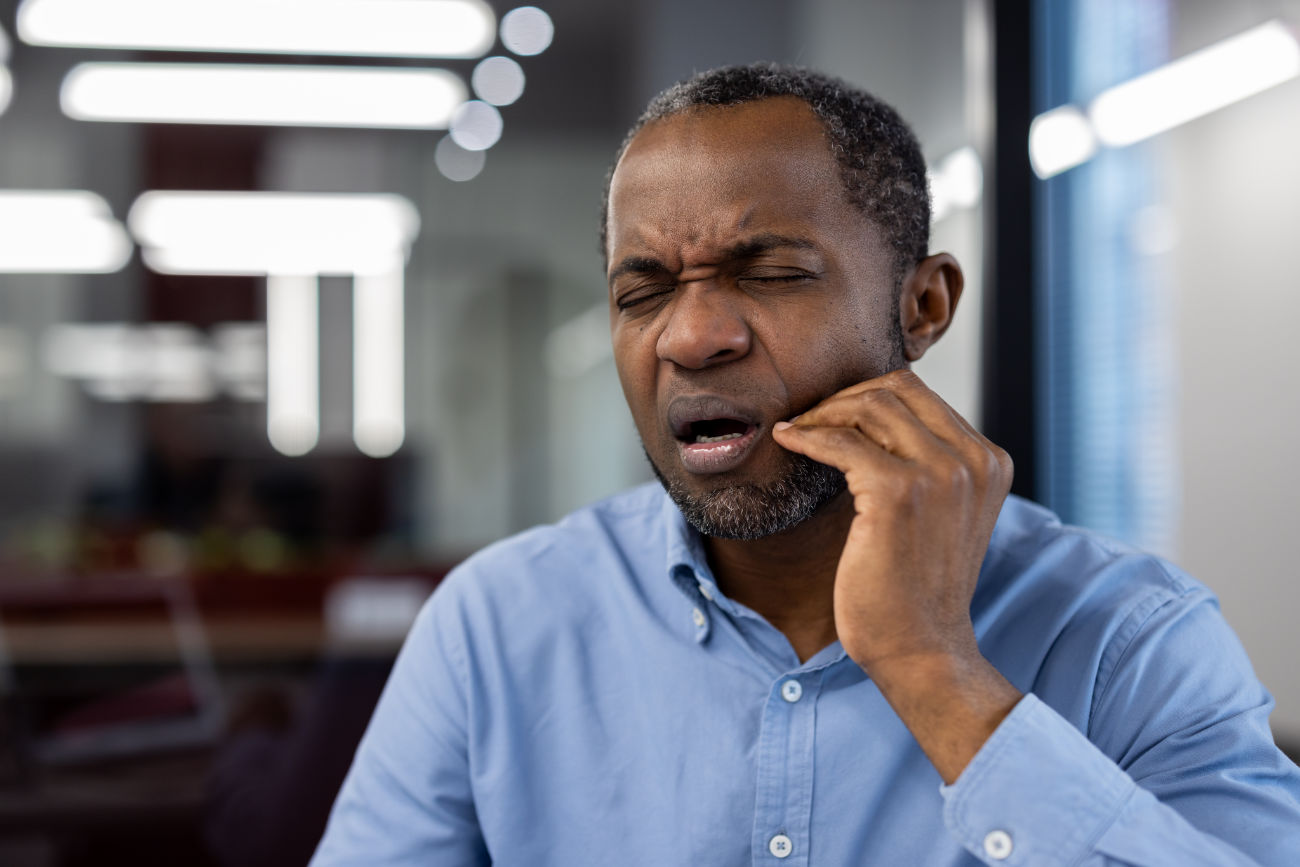
TMJ Jaw Pain Relief in Abington

Jaw Pain FAQs from the TMJ & Sleep Therapy Centre of the South Shore

Q. What are the most common causes of jaw pain?

A. Jaw pain can be caused by teeth grinding, muscle tension, arthritis, injury, or temporomandibular joint dysfunction. Identifying the source of the discomfort is an important step toward effective care.

Q. When should I be concerned if my jaw hurts?

A. If your jaw hurts regularly, worsens over time, or makes it difficult to chew or speak, it may be time to schedule an evaluation. Persistent jaw hurting can indicate an underlying TMJ or muscle-related issue.

Q. What does TMJ jaw pain feel like?

A. TMJ jaw pain may feel like soreness near the joint, aching while chewing, facial tightness, or discomfort that radiates toward the ear or temple. Some patients also notice clicking or limited jaw movement.

Q. Why do I have jaw pain on the left side?

A. Jaw pain left side symptoms can occur due to uneven bite pressure, one-sided clenching, inflammation in the jaw joint, or muscle imbalance. Dr. Alison Freeman can help determine what may be contributing to your pain.

Q. What options are available for jaw pain treatment?

A. Jaw pain treatment depends on the cause but may include oral appliances, jaw therapy, bite support, and stress-related habit changes. Treatment plans are personalized to improve comfort and jaw function.

Q. How can I find jaw pain relief from muscle tension?

A. Jaw pain relief often begins by reducing strain in the facial muscles. For patients with jaw muscle pain, therapy may include gentle exercises, relaxation techniques, and TMJ-focused care to ease tension over time.
TMJ & Sleep Therapy Centre of the South Shore Logo

Providing Non-Surgical Therapies | Restoring Quality of Life

Choosing the TMJ & Sleep Therapy Centre of the South Shore means entrusting your care to experts dedicated to resolving jaw pain at its source. With a focus on lasting relief and patient-centered care, we support you through every step of your recovery. Our commitment to advanced treatments and compassionate support makes us the ideal choice for those seeking effective and reliable TMJ care. Let us help you rediscover a life free from the limitations of jaw pain.

Are You Experiencing Any of the Following?

E

Jaw Pain

E

Headaches

E

Clicking

E

Popping

E

Trouble Chewing

Any of the above could be a sign of TMJ-related pain and should be evaluated promptly.

Request Your Appointment or Book Online

    BOOK APPOINTMENT